Pack Light, Shoot Everything: The Ultimate X-T100 Road Trip Kit for American Travelers
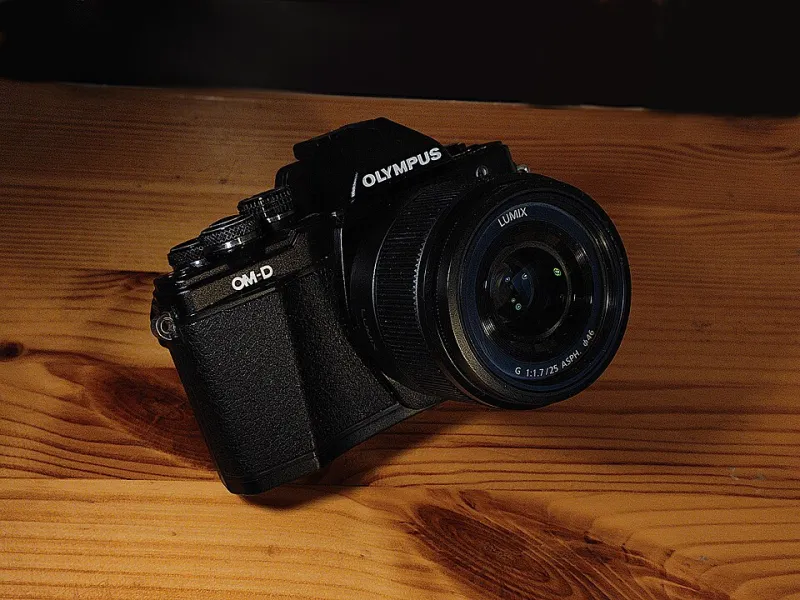
Photo: AlbertGy, CC BY 4.0, via Wikimedia Commons
There's a certain kind of freedom that comes with throwing your camera bag in the back seat and pointing the car somewhere interesting. The X-T100 was practically built for this kind of adventure — it's lightweight, capable, and just compact enough to not feel like a burden when you're hiking switchbacks in Zion or squeezing through a crowded farmers market in Portland.
But packing smart matters. Bring too little and you'll miss shots. Bring too much and you'll resent every extra pound by day three. This guide is about finding that sweet spot.
Start With the Right Bag
Your bag choice sets the tone for everything else. For most US road trips, a mid-size sling bag or a small camera backpack in the 10–15 liter range hits the sweet spot. Something like the Lowepro Adventura or Peak Design Everyday Sling gives you quick access without looking obviously like a camera bag — which matters in cities like New York or Miami where you'd rather blend in.
If you're doing a national park trip with serious hiking (Glacier, Olympic, the Grand Canyon), lean toward a dedicated camera backpack with a hip belt. Your shoulders will thank you after mile six.
Lenses: The Core Three
The X-T100 uses Fujifilm's X-mount system, which gives you access to a deep lens ecosystem. But for travel, restraint is a virtue.
The 18-55mm f/2.8-4 kit zoom is your workhorse. It covers wide-angle street scenes, standard portraits, and moderate telephoto in a single package. It's not the smallest option, but the image stabilization and solid build quality make it worth the weight for multi-purpose trips.
The 27mm f/2.8 pancake lens is the lens you reach for when you want to forget you're carrying a camera. It's tiny, fast, and produces beautifully sharp images with a natural field of view. This is the one to have on the camera when you're walking Bourbon Street at night or grabbing coffee in a downtown Seattle café.
The 55-200mm f/3.5-4.8 earns its place on wildlife and landscape-heavy trips. Heading to Yellowstone? You'll want reach when a bison wanders close to the road or a bald eagle perches across the river. It's a larger lens, but for national park trips, it's worth it.
For most trips, pick two of these three based on your destination. Carrying all three is possible, but you'll probably only use two anyway.
Battery Strategy: Never Miss the Shot
This is where a lot of X-T100 owners get caught off guard. The NP-W126S battery life is rated at around 270 shots per charge — which sounds fine until you're on a full day of shooting in Acadia National Park and realize you've burned through two batteries before noon.
The fix is simple: own at least three batteries. Two official Fujifilm NP-W126S batteries plus a reliable third-party option like the Wasabi Power or Kastar version gives you a full day's cushion. Carry them charged and rotate them out.
A USB-C power bank (20,000mAh or higher) is also worth the weight. The X-T100 charges via USB, which means you can top off a battery in your bag during a long drive without needing to find an outlet.
Memory Cards: Bring More Than You Think
Shoot RAW+JPEG on a road trip and your card fills up faster than expected. Pack a minimum of two 64GB cards, or a single 128GB card plus a backup. SanDisk Extreme or Lexar Professional cards are reliable choices that won't slow down your burst shooting or video capture.
Consider a small portable hard drive or a phone-compatible card reader for backing up files at the end of each day. Losing a week's worth of photos to a corrupted card is the kind of thing that ruins a trip.
Climate and Environment Considerations
The US is enormous, and the shooting conditions vary wildly depending on where you're headed.
Desert Southwest (Utah, Arizona, New Mexico): Heat and dust are your enemies. Keep the X-T100 in your bag when not shooting to avoid thermal shock, and use a UV filter to protect the front element from blowing sand. A lens cloth is essential — dust finds its way everywhere.
Pacific Coast and Pacific Northwest: Humidity and light rain are constant companions. The X-T100 isn't weather-sealed, so a small rain cover (Peak Design's or a budget option from Amazon) is smart insurance. A microfiber cloth for wiping moisture off the body is a must-have.
Southeast and Gulf Coast (Florida, Louisiana, Texas coast): Salt air and humidity can be rough on electronics. Rinse your hands before handling the camera after time at the beach, and store it in a sealed bag with a silica gel packet overnight if you're in a particularly humid environment.
Mountain and High Altitude Destinations (Rockies, Sierra Nevada): Cold temperatures drain batteries faster. Keep a spare battery in your jacket pocket close to your body to maintain its charge. Morning light at altitude is extraordinary, so set your alarm.
A Few Extra Items That Earn Their Weight
- A compact tripod or gorilla pod: Essential for long exposures, star photography in dark-sky parks, and self-portraits without asking strangers for help.
- Circular polarizer filter: Makes a dramatic difference when shooting water, skies, and foliage. Highly recommended for landscape-heavy trips.
- Lens cleaning kit: Microfiber cloth, air blower, and cleaning solution. You'll use all three.
- Extra camera strap: The stock strap is functional but thin. A wider, padded option from Peak Design or Slide makes all-day carrying significantly more comfortable.
Building Your Kit by Trip Type
National Parks Road Trip: 18-55mm + 55-200mm, three batteries, 128GB card, tripod, polarizer, rain cover.
Urban City Exploration (NYC, Chicago, New Orleans): 27mm pancake + 18-55mm, two batteries, 64GB card, sling bag, lens cloth.
Beach Vacation (Outer Banks, Gulf Shores, Malibu): 18-55mm, two batteries, UV filter, sealed storage bag, extra microfiber cloths.
The Big Picture
The X-T100 is one of the most travel-friendly interchangeable lens cameras on the market, and it genuinely rewards thoughtful packing. The goal isn't to carry everything — it's to carry exactly what you need to come home with great images and no regrets. Build your kit around your destination, respect the environment you're shooting in, and keep your battery situation sorted. Everything else tends to work itself out.